
Stuck in the Mud? The Ultimate Guide to Differential Locks
Stuck in the Mud? The Ultimate Guide to Differential Locks
“I drive a hardcore 4×4, so why do I get stuck the moment I hit the mud?” “Why can other vehicles cross uneven terrain effortlessly while my wheels just spin?”
If you frequently drive off-road, you have likely encountered this exact embarrassment. The real problem often lies with your “differential lock.” This technical-sounding component acts as the ultimate off-road rescue tool. It also hides massive benefits for daily driving.
Today, we will explain the differential lock in plain English. What exactly is it? When do you need it? How should beginners choose one? Read this guide, and you will never get fooled by professional jargon again.
What is a Differential Lock? Understand the “Differential” First
To understand the differential lock, you must first understand a basic vehicle component: the differential.
When you drive through a corner, your inner and outer wheels travel different distances. The outer wheel must spin faster, and the inner wheel must spin slower. The differential distributes power to allow the two wheels to rotate at different speeds. This prevents tire wear and keeps the vehicle from fishtailing.
However, the standard differential has a fatal flaw. It always sends power to the wheel with the least resistance. If one wheel falls into a slippery mud pit, the differential sends all engine power to that spinning wheel. The wheel on solid ground receives zero power. Consequently, your vehicle remains stuck. This is exactly when the differential lock steps in.
Simply put, a differential lock acts as an override switch for the differential. When a wheel slips, the lock forcibly binds the left and right wheels together. It forces them to rotate at the exact same speed. This transfers engine power directly to the wheel with grip, pulling your vehicle to safety.
- The differential operates as a flexible power manager.
- The differential lock acts as the decisive commander during critical moments.
Core Uses: Not Just for Hardcore Off-Roading
Many people believe differential locks exist only for off-road veterans. In reality, everyday drivers benefit from them in several common scenarios:
- Off-Road Recovery: This remains the most critical use case. When you cross deep ditches, climb steep hills, or hit deep mud, a single slipping wheel can stop you. The differential lock instantly locks the power distribution. Hardcore vehicles like the Tank 300 and Haval H9 include factory locks to handle extreme terrains.
- Daily Commuting: Winter ice and rainy seasons create slippery roads. When one side of a 4WD vehicle hits ice, the standard differential can cause sudden loss of control. Activating the differential lock balances the power on both sides, making it much more effective than standard ESP systems.
- Complex Terrains: Drivers frequently navigating rural dirt roads or rocky construction sites often encounter deep potholes. Without a lock, a suspended wheel will leave the car stranded. A differential lock ensures smooth passage, offering far better capability than standard city SUVs.
Common Types: 3 Mainstream Options
Different types of locks suit different scenarios and budgets. You must choose the right one to avoid wasting money.
- Mechanical Differential Lock: This is the hardcore choice for off-roaders. It physically locks the differential for 100% power transfer and maximum rescue capability. It boasts high reliability and lightning-fast reaction times. However, it requires manual operation. Improper use can damage the gearbox. Representative Models: Jeep Wrangler Rubicon, Tank 300 Off-Road Edition.
- Electronic Differential Lock (EDS): This acts as the high-value choice for family cars. The electronic system detects wheel slip and applies braking force to the spinning wheel. This indirectly forces power to the gripping wheel. It costs less and requires no manual input. However, it can overheat and fail during continuous slipping. Representative Models: VW Tiguan L, Toyota RAV4.
- Limited Slip Differential (LSD): This sits between a standard differential and a full mechanical lock. It limits the extent of wheel slip to balance power. It operates smoothly without affecting daily driving. However, its extreme off-road rescue capability falls short of a mechanical lock. Representative Models: BMW 3 Series, Honda Civic Type R.
3 Common Misconceptions to Avoid
Many car owners mistakenly believe that “the most expensive lock is always the best.” Avoid these three common traps:
- Misconception 1: City Commuters Need Mechanical Locks. Mechanical locks serve extreme terrains. Using them for daily commuting reduces cornering smoothness and increases fuel consumption. An Electronic Differential Lock (EDS) provides plenty of capability for city drivers.
- Misconception 2: 4WD Vehicles Do Not Need Locks. 4WD systems distribute power between the front and rear axles. However, if a single wheel slips, the axle’s differential will still drain the power. The combination of 4WD and a differential lock creates the ultimate golden standard for off-roading.
- Misconception 3: Aftermarket Upgrades Beat Factory Installs. Adding an aftermarket lock requires modifying the chassis and electrical circuits. This can compromise structural integrity and reliability. If you need a mechanical lock, buying a vehicle with a factory-installed option remains the safest route.
Equip Your 4×4 with KINGWAY Off-Road Gear
True off-road capability requires the right knowledge and the toughest equipment. Whether you are navigating slippery mountain trails or deep mud bogs, you need reliable recovery tools by your side.
At KINGWAY, we operate as a premier global exporter of high-performance off-road accessories and 4×4 recovery equipment. We specialize in delivering top-tier mechanical components and rescue gear to B2B distributors and off-road workshops worldwide.
Why Partner with KINGWAY?
- Comprehensive Recovery Solutions: From heavy-duty winches and snatch blocks to differential accessories, we supply everything needed for extreme off-road survival.
- Global Export Excellence: We utilize space-saving, reinforced export packaging to minimize your international sea freight costs.
- Uncompromising Quality: Every product undergoes rigorous testing to meet international safety and performance standards.
Are you ready to upgrade your off-road inventory? Trust KINGWAY to provide the ultimate driving force for your 4×4 business. Contact our dedicated export team today for our latest product catalog and direct wholesale pricing!
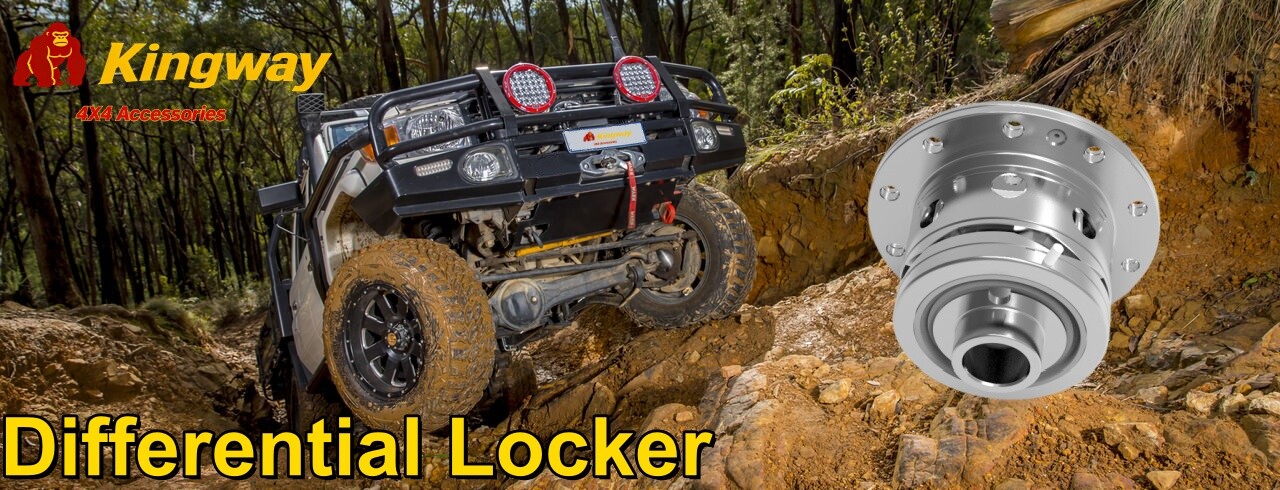
Ultimate Traction, Instantly On Demand — KINGWAY Air Locker
Gain ultimate traction instantly with KINGWAY Air Locker. This durable differential locker offers fa
New KINGWAY Electronic Locker Released | Maximum Traction, Total Control
Gain ultimate traction instantly with KINGWAY Air Locker. This durable differential locker offers fa

Leave a Reply